








Kuinka poistat takertunut tai ruostunut erikoismutteri turvallisesti?
Takeroitunut tai ruostunut mutteri voi aiheuttaa merkittäviä haasteita huollon, korjauksen ja laitteiden päivitysten aikana. Kun kiinnityskomponentin poistaminen tulee vaikeaksi korroosion, saastumisen, muodonmuutosten tai pitkäaikaisen ankarissa ympäristöissä altistumisen vuoksi, väärä käsittely voi vahingoittaa ympäröiviä osia tai vaikuttaa koko kokoonpanon luotettavuuteen. Eri mutterityyppien rakenteen, materiaaliominaisuuksien ja käyttötarkoituksen ymmärtäminen on olennaista oikean irrotustavan valinnassa. erikoispähkinät on yleisesti suunniteltu ainutlaatuisia kiinnitysvaatimuksia varten, mukaan lukien sovellukset, joissa vakiomutterit eivät pysty tarjoamaan riittävää asennuksen joustavuutta tai mekaanista suorituskykyä.
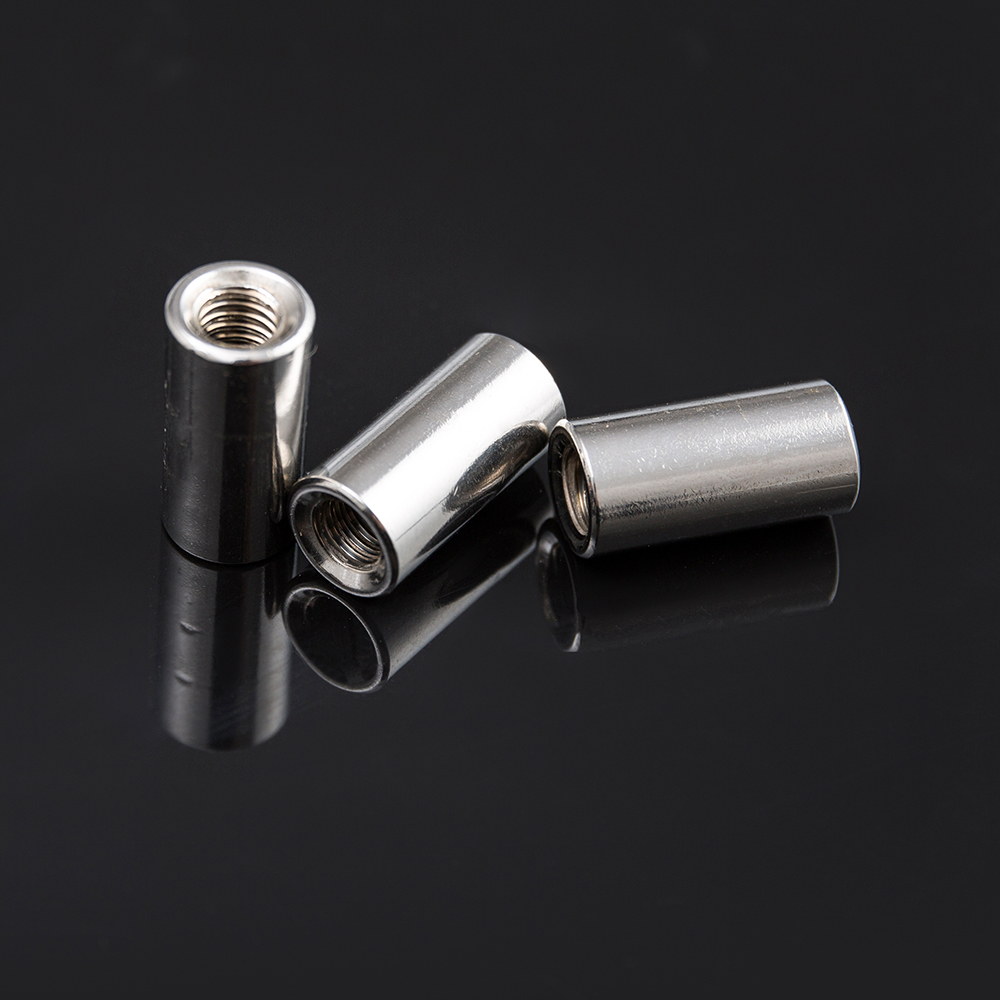
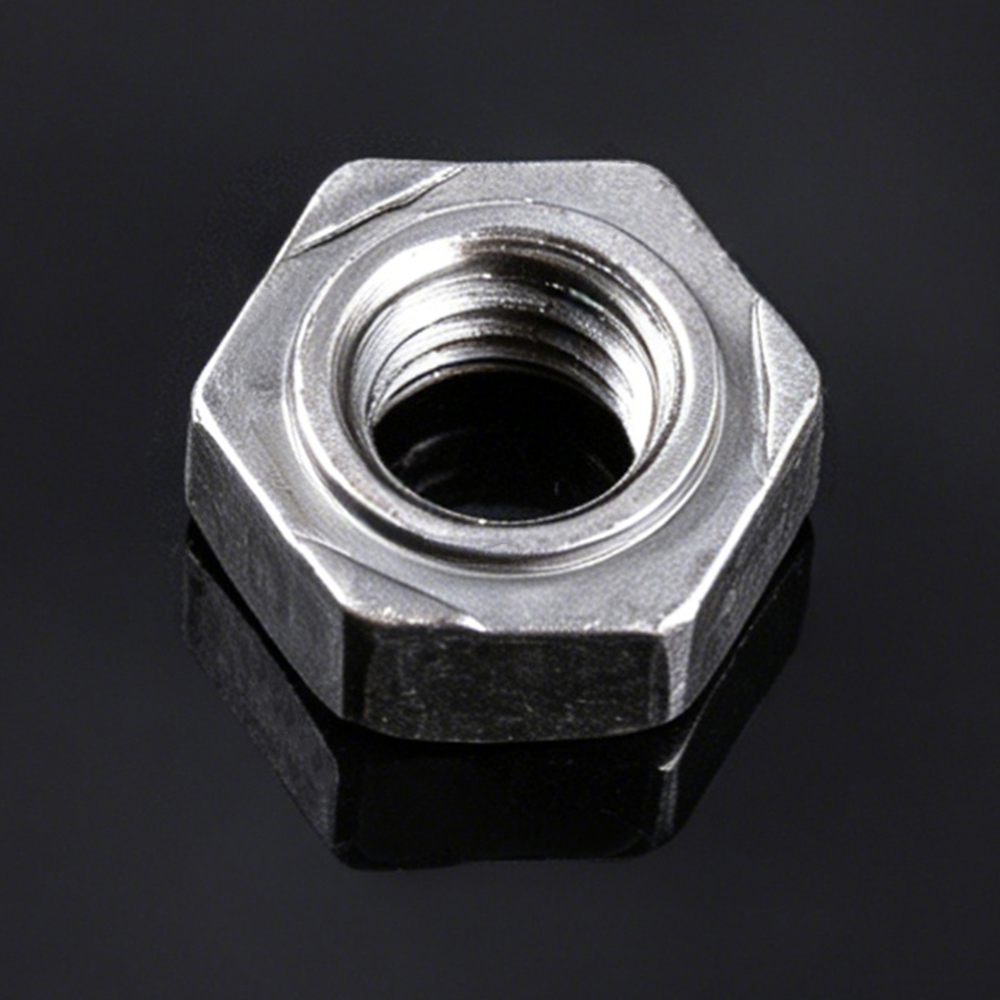
Teollisissa laitteissa, koneissa, elektroniikassa ja räätälöityissä kokoonpanoissa mutterit, kuten siipimutterit, T-mutterit, neliömutterit ja muut sovelluskohtaiset mallit, tarjoavat kohdistettuja kiinnitystoimintoja. Nämä osat vaativat usein huolellista poistamista, koska niiden muoto, asennuspaikat ja materiaalit voivat poiketa perinteisistä kiinnikkeistä. Tässä artikkelissa selitetään turvallisia poistotekniikoita samalla kun tutkitaan eri luokkia erikoiskäyttöiset pähkinät , niiden tekniset ominaisuudet ja kuinka ammattimaiset valmistajat tukevat räätälöityjä kiinnitysratkaisuja.
Erikoismutterien ja niiden irrotushaasteiden ymmärtäminen
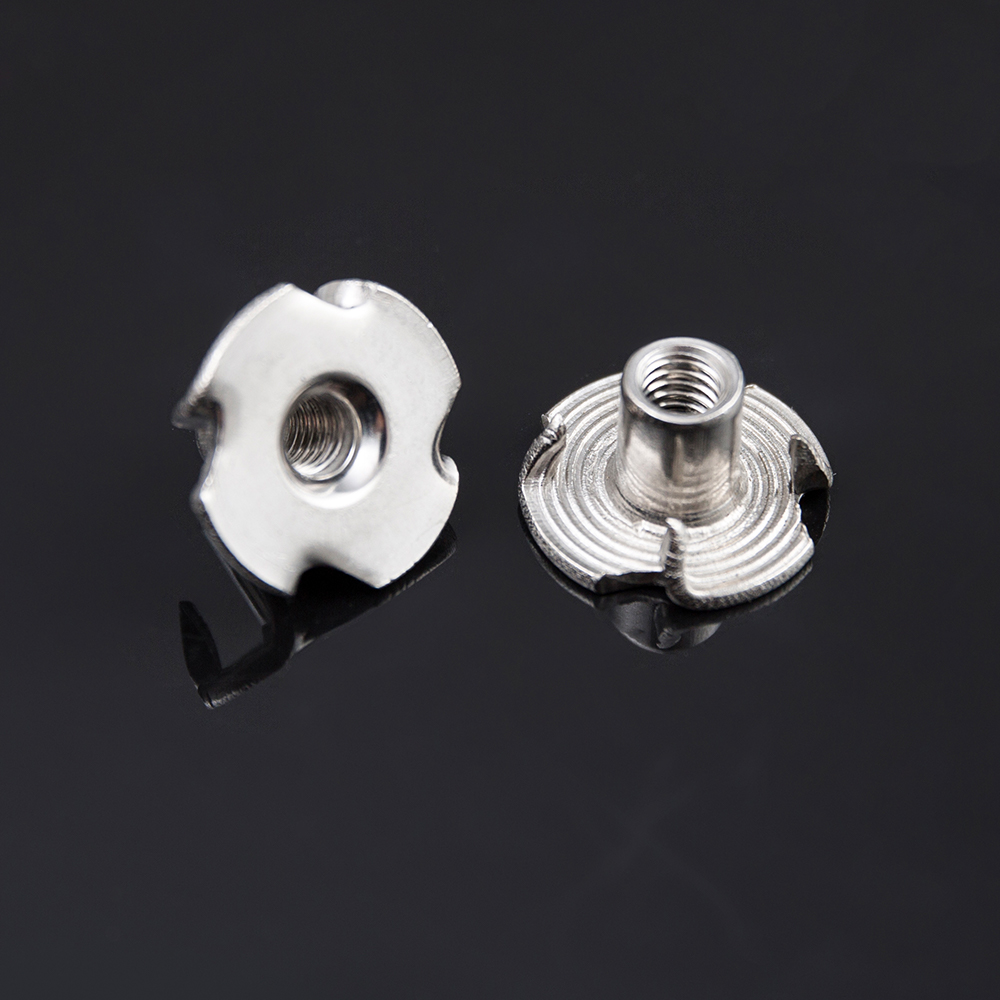
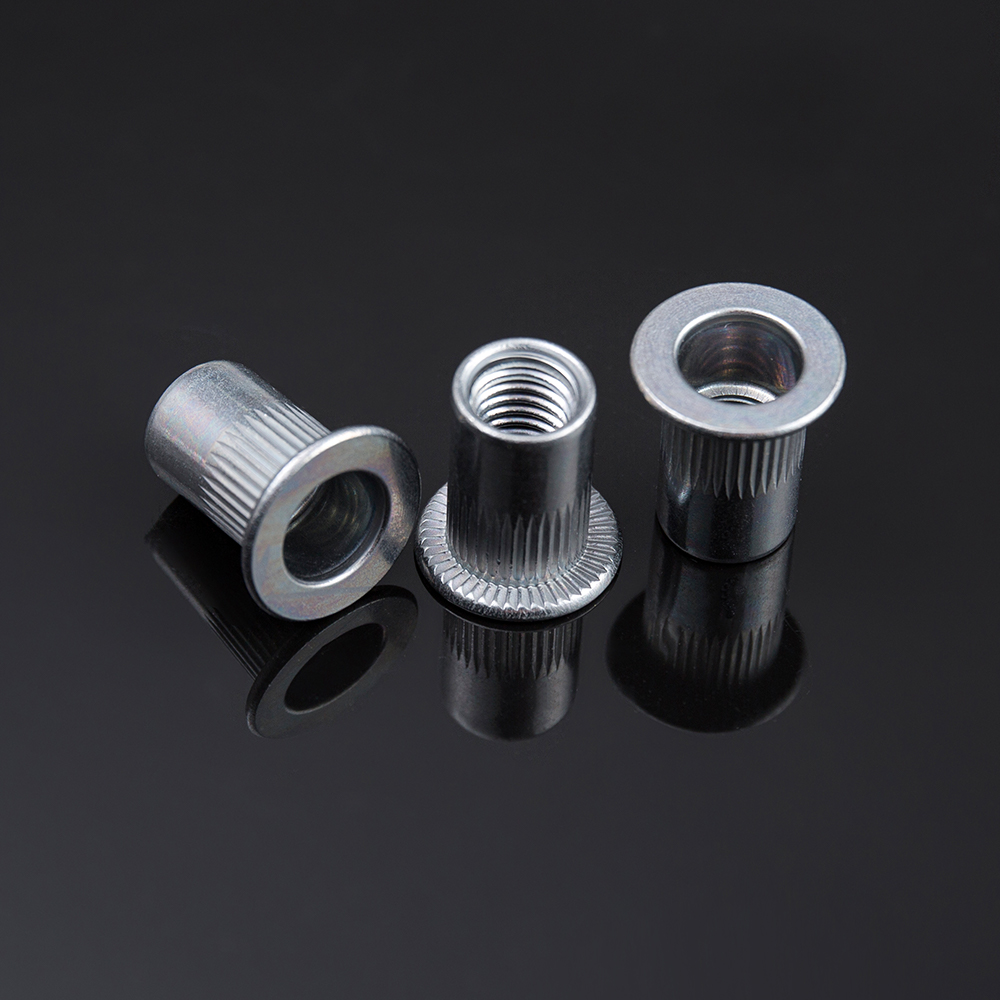
Räätälöityjen kiinnityskomponenttien joukossa erikoismutterit käytetään laajalti, kun kierreliitos on integroitava materiaaleihin, jotka eivät voi suoraan tukea perinteisiä kierteitä. Nämä mutterit asennetaan usein paneeleihin, profiileihin, muoveihin, komposiittimateriaaleihin tai ohuisiin metallirakenteisiin kestävien kierrekiinnityskohtien aikaansaamiseksi. Niiden paikannustoiminto tekee niistä arvokkaita elektroniikassa, teollisuuslaitteissa ja tarkkuuskokoonpanoissa.
Suurin haaste irrotettaessa näitä muttereita on se, että ne voidaan upottaa tiukasti perusmateriaalin sisään. Ruosteen kerääntyminen kierrealueen ympärille, liiallinen asennusmomentti tai altistuminen ympäristölle voivat saada mutterin ja pultin kiinnittymään toisiinsa. Tästä syystä poistamisen tulisi keskittyä vähentämään jännitystä sen sijaan, että kohdistaisi liikaa voimaa välittömästi. Oikea lähestymistapa sisältää yleensä paljastetun alueen puhdistamisen, sopivan lävistyskäsittelyn, oikean työkalun valinnan ja ympäröivän rakenteen suojaamisen.
Valmistajat tuottavat erikoismutterit on otettava huomioon kierteiden tarkkuus, materiaalien yhteensopivuus, korroosionkestävyys ja asennusvaatimukset. Nämä tekijät eivät vaikuta pelkästään tuotteen suorituskykyyn vaan myös tulevaisuuden huollon saatavuuteen. Teollisissa sovelluksissa hyvin suunnitellut mutterit vähentävät kierteiden vaurioitumisriskiä ja antavat laitteiden käyttäjille mahdollisuuden suorittaa korjauksia tehokkaammin.
- Tarkasta mutteri ja ympäröivä kokoonpano ennen voiman käyttämistä.
- Poista pintakorroosio varovasti liitosalueen paljastamiseksi.
- Käytä sopivia työkaluja, jotka sopivat mutterin rakenteeseen ja käyttötarkoitukseen.
- Vältä vaurioittamasta perusmateriaalia uuttamisen aikana.
Siipimutterit ja neliömutterit: Ulkoisen korroosion ja muodonmuutosten käsittely
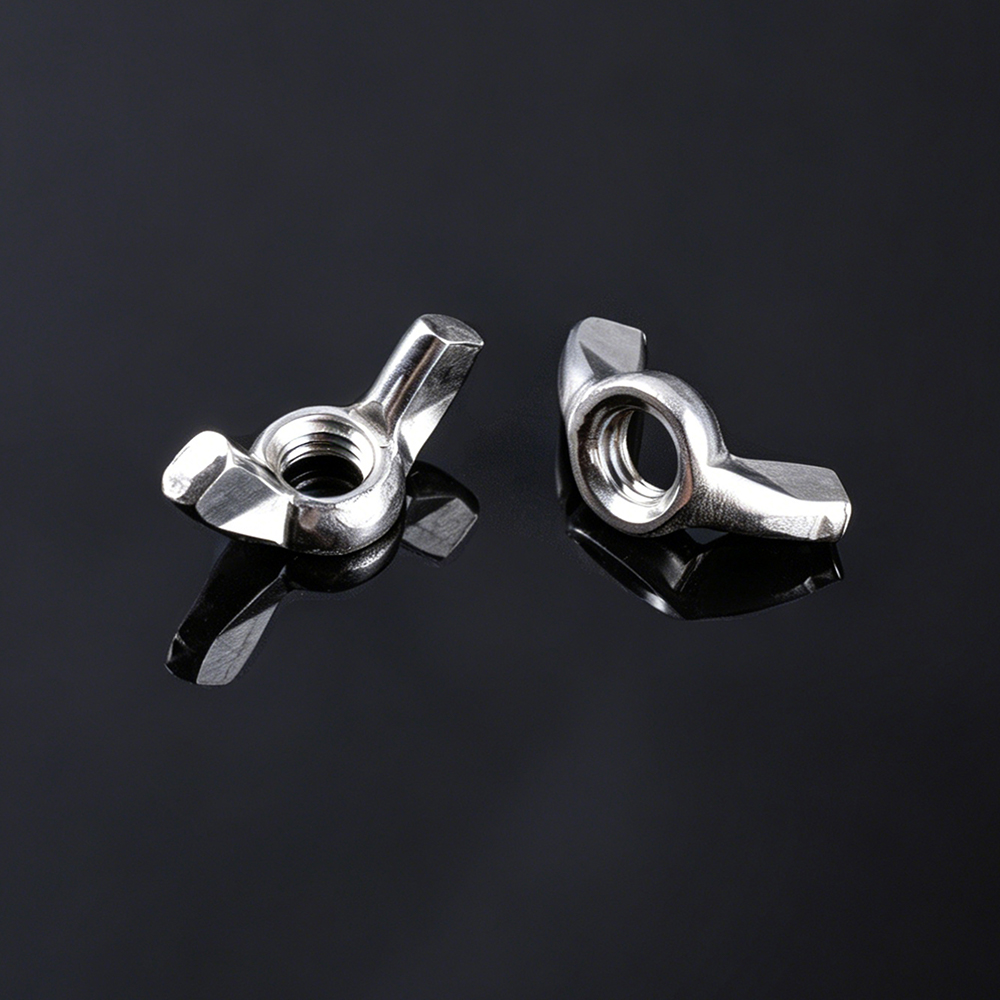
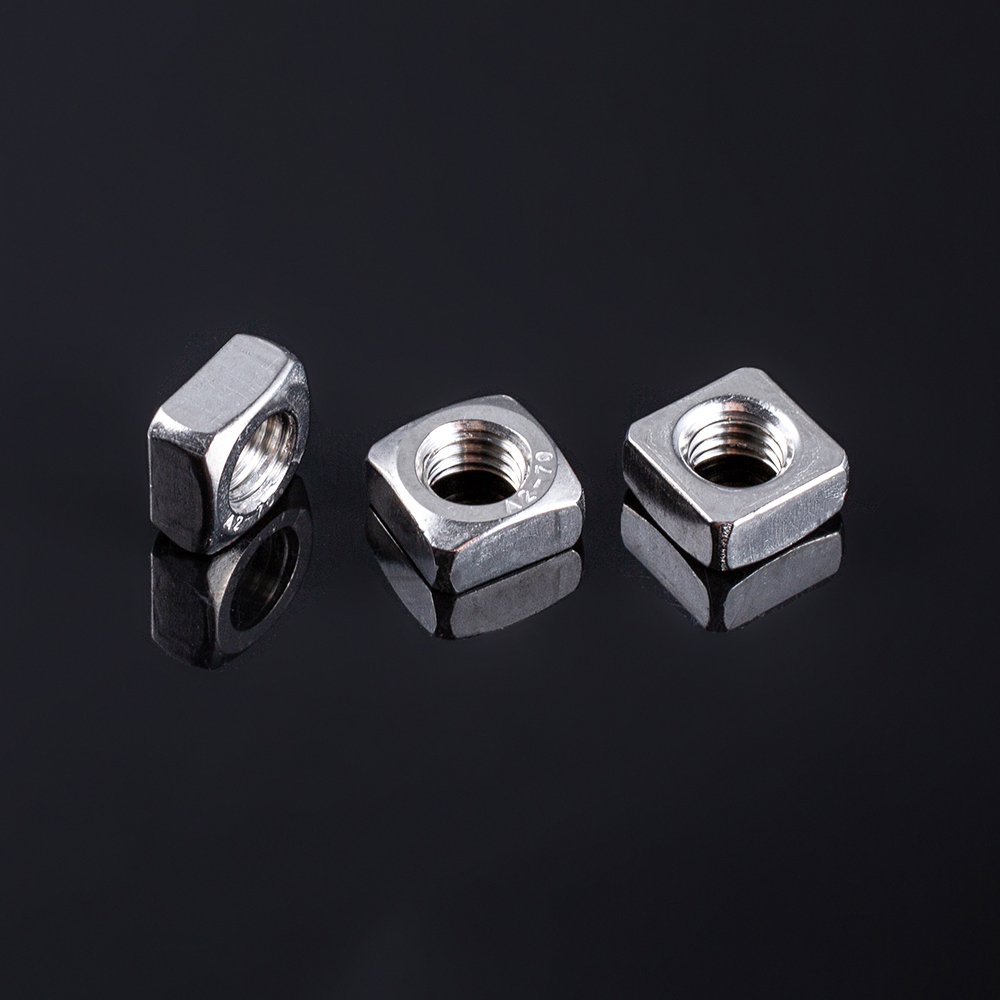
Siipimutterit ja neliömutterit edustavat toista tärkeää luokkaa erikoiskäyttöiset pähkinät suunniteltu erityisiin asennusolosuhteisiin. Siipimutterit mahdollistavat työkaluvapaan säädön pidennettyjen siipien avulla, mikä tekee niistä sopivia toistuvaan kokoamiseen ja purkamiseen. Neliömärit tarjoavat paremman pintakosketuksen ja pyörimiskestävyyden, mikä tekee niistä hyödyllisiä kanavissa, kehyksissä ja teollisuusrakenteissa.
Kun siipimutteri takertuu, irrotusprosessin tulee suojata siipirakennetta, koska liiallinen tartuntavoima voi taivuttaa tai rikkoa laajennettuja osia. Hallittu lähestymistapa sopivilla pihdeillä tai säädettävillä työkaluilla on yleensä turvallisempaa kuin mutterin pakottaminen hallitsemattomalla iskulla. Neliömäreissä korroosio tasaisten sivujen ympärillä voi vähentää työkalun tarttumista, joten kosketuspintojen puhdistaminen on tärkeä valmisteluvaihe.
Nämä mutteriluokat eroavat upotetuista kiinnitysratkaisuista, koska niihin pääsee yleensä käsiksi ulkopuolelta. Niiden etuna on helpompi asennus ja säätö, mutta niiden paljas geometria voi lisätä kosketusta kosteuden, pölyn ja teollisuuden epäpuhtauksien kanssa. Oikeiden materiaalien ja pintakäsittelyjen valinnalla valmistuksen aikana voidaan merkittävästi pidentää käyttöikää.
| Mutterin luokka | Päätoiminto | Tyypilliset sovellukset | Poistoa koskevia huomioita |
| Aseta mutterit | Järjestä sisäiset kierreliitännät | Paneelit, elektroniikka, konekotelot | Suojaa ympäröivä materiaali ja vältä lankavaurioita |
| Siipimutterit | Ota käyttöön nopea manuaalinen säätö | Kiinnikkeet, kannet, säädettävät komponentit | Estä siipien muodonmuutos poiston aikana |
| Neliömäiset | Tarjoa vakaa pyörimisen estävä kiinnitys | Kehykset, kanavat, teollisuuslaitteet | Säilytä työkalun tasainen kiinnitys |
T-mutterit ja teolliset räätälöidyt mutteriratkaisut vaikeisiin ympäristöihin
T-mutterit ovat toinen erikoistunut kiinnityskategoria, jota käytetään yleisesti sovelluksissa, jotka vaativat turvallista sijoittamista uriin tai profiileihin. Niitä löytyy usein konerakenteista, modulaarisista järjestelmistä ja säädettävistä laitteista, koska niiden ainutlaatuinen muoto mahdollistaa asennuksen valmiisiin kanaviin. Tavallisiin kiinnityskomponentteihin verrattuna T-mutterit tarjoavat suuremman joustavuuden asennuksen ja kohdistuksen aikana.
Ruostuneen T-mutterin poistaminen vaatii huolellista harkintaa, koska mutteri voi olla lukittuna kiskon tai profiilin sisään. Liiallinen vääntövoima voi vahingoittaa urarakennetta ja aiheuttaa ylimääräisiä korjauskustannuksia. Ammattimaiset poistomenetelmät sisältävät tyypillisesti ympäröivän osan vakauttamista, kosketusalueen puhdistamista ja liitoksen asteittaista löysäämistä samalla kun linjaus säilyy.
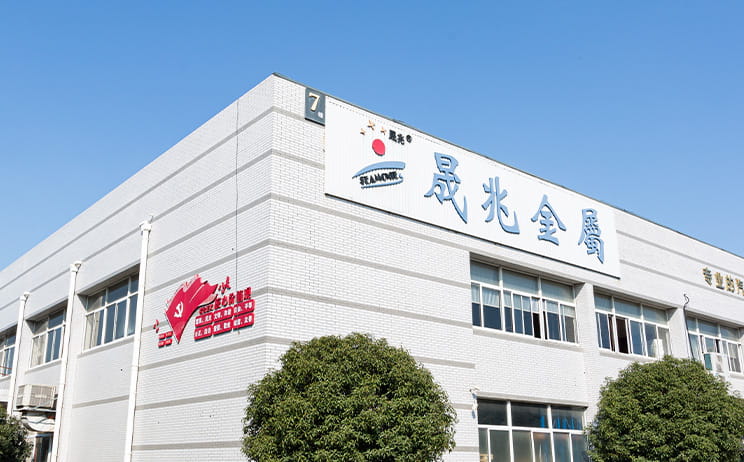
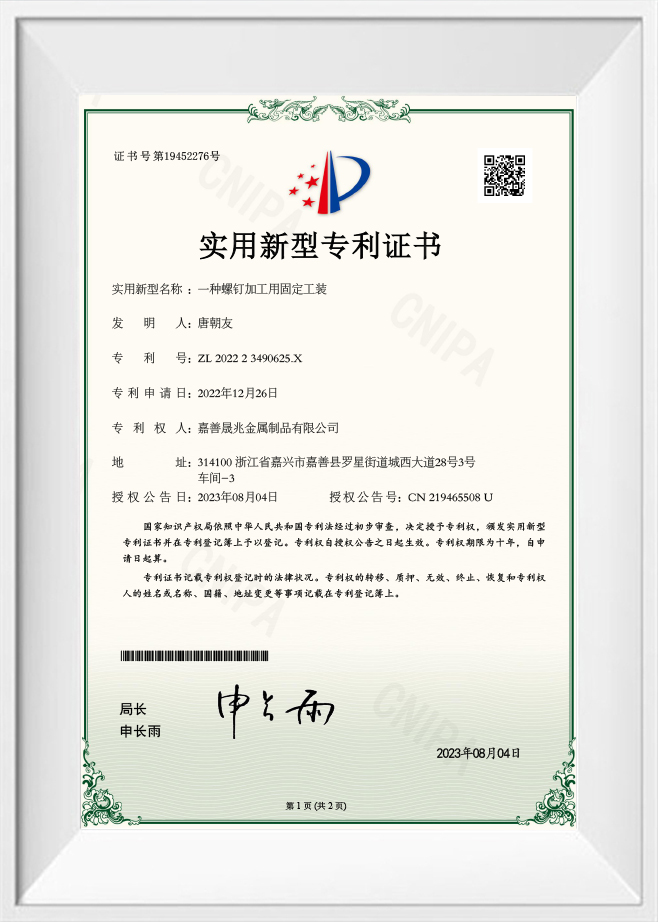
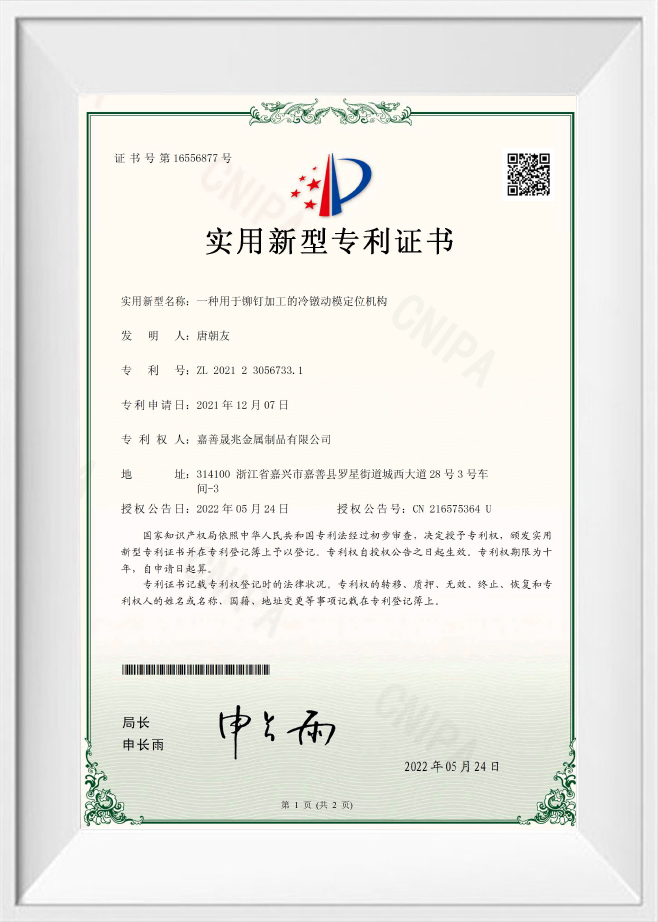
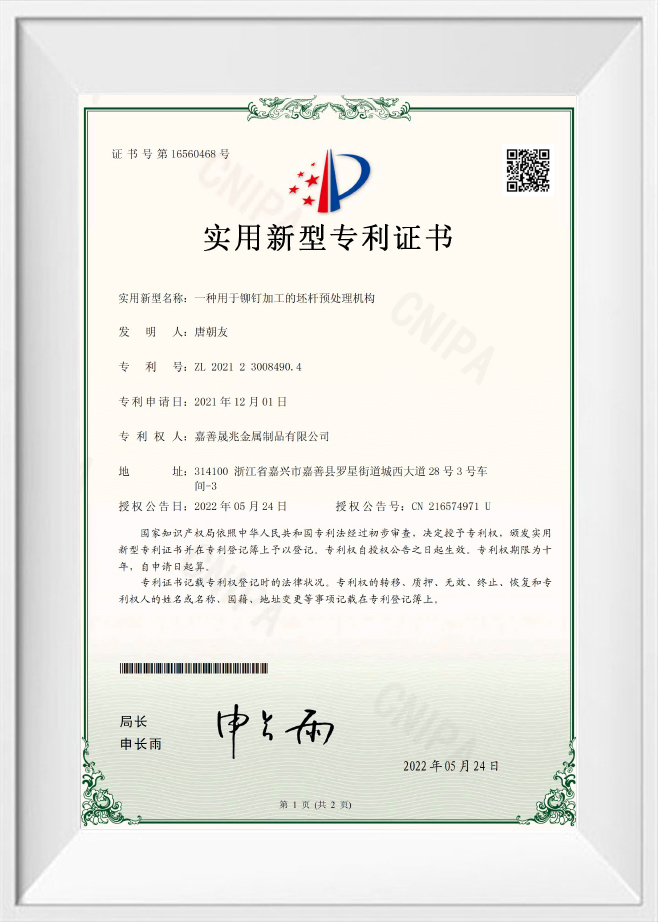
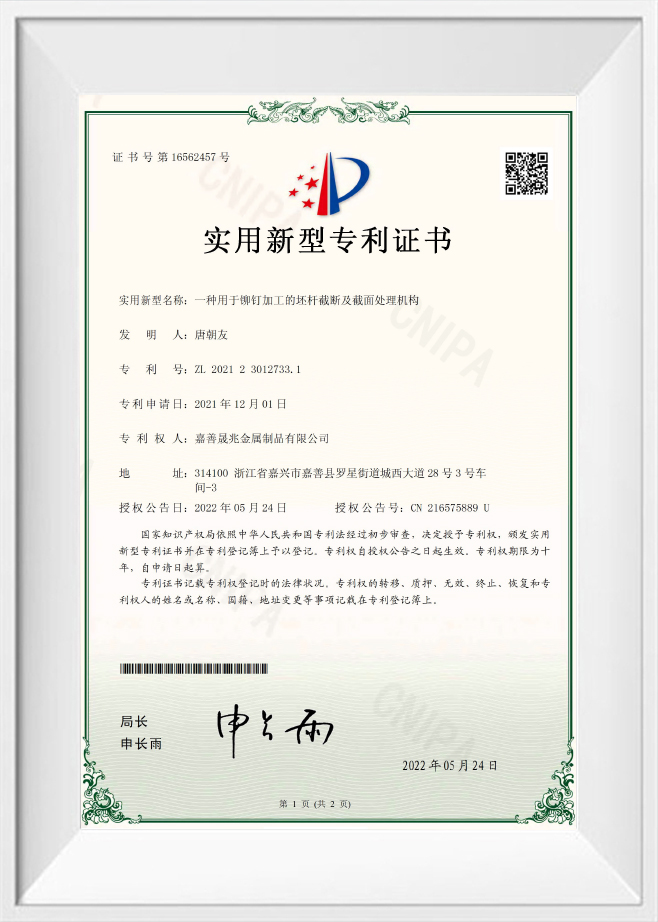
Nykyaikaiset teollisuusasiakkaat tarvitsevat usein räätälöityjä mutterimalleja yleisten luokkien lisäksi. erikoispähkinät voi sisältää epätavallisia muotoja, epätyypillisiä mittoja, erityisiä uria tai räätälöityjä materiaaleja laitevaatimusten mukaan. Zhejiang Chance & Union Import and Export Co., Ltd. (Chance & Union) tarjoaa räätälöityjä kiinnitysratkaisuja asiakkaan piirustusten, toleranssivaatimusten ja materiaalistandardien perusteella. Yritys tukee muttereiden, pulttien, aluslevyjen, tappien, ruuvien ja muiden tarkkuuskomponenttien tuotantoa kylmäpäällystys-, kuumataonta- ja CNC-työstöprosesseilla.
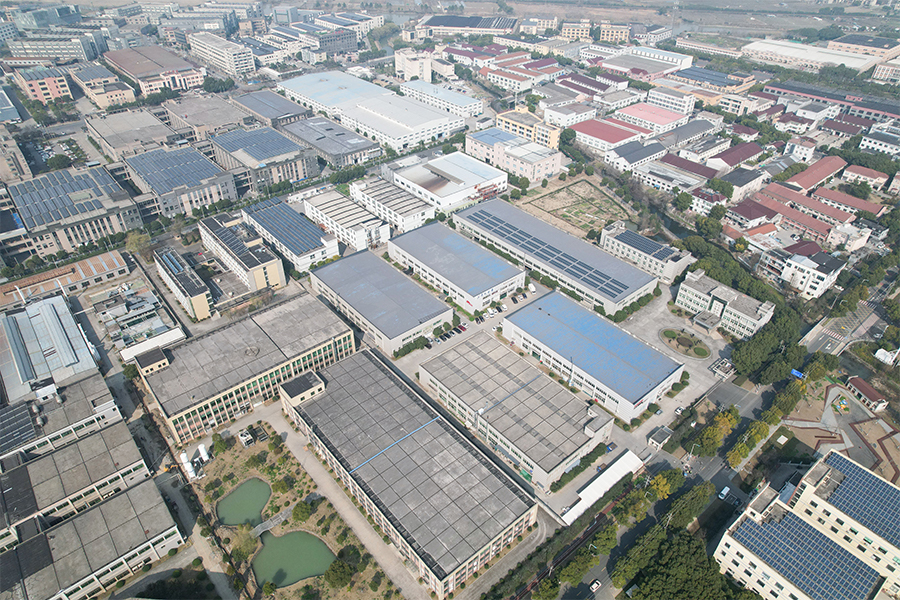
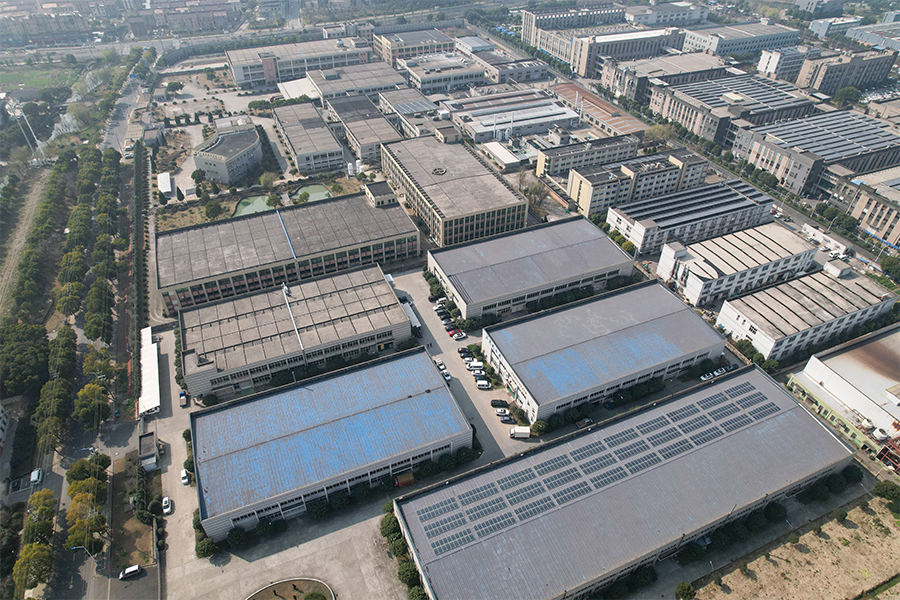
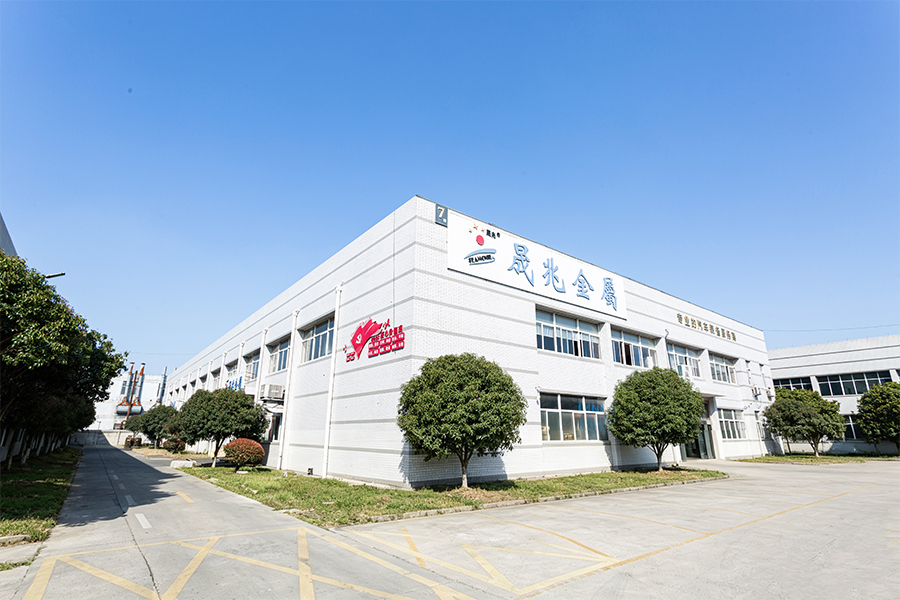
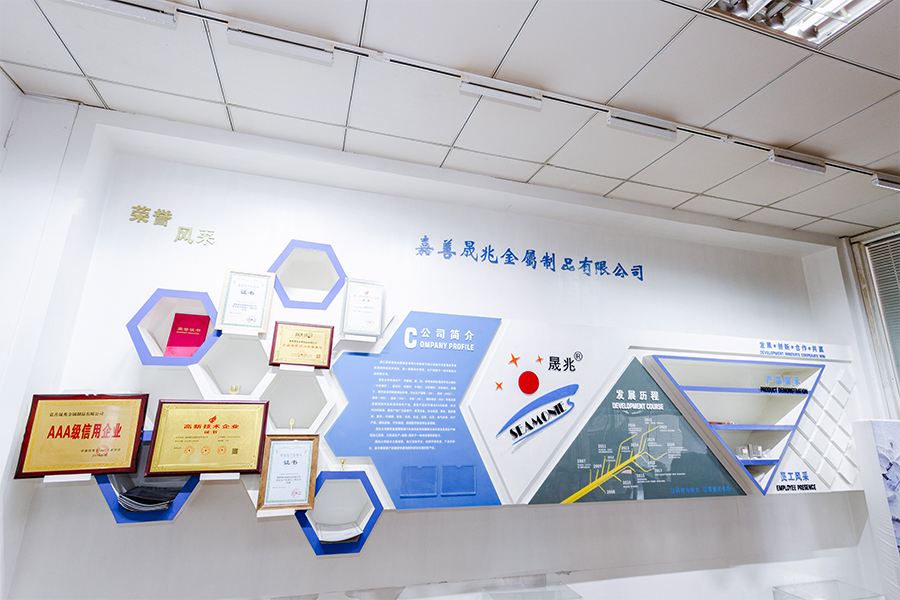
Zhejiang Chance & Union Import and Export Co., Ltd.:n SEA Monies Metal Co., Ltd.:ltä peritty valmistuskokemus keskittyy vakaaseen laadunvalvontaan ja kansainvälisiin toimitusmahdollisuuksiin. Sen tuotekehitys kattaa ruostumattoman teräksen, seosteräksen, alumiiniseoksen, kuparin, titaanin, duplex-teräksen, Hastelloyn ja muut erikoisseokset. Näiden ominaisuuksien ansiosta asiakkaat voivat hankkia vaativille teollisuudenaloille, kuten ilmailu-, sähköajoneuvoihin ja lääketieteellisiin laitteisiin, soveltuvia kiinnityskomponentteja.
- Tunnista mutterin rakenne ja määritä, onko se irrotettavissa kokoonpanoa vahingoittamatta.
- Valmistele sopivat työkalut ja puhdista korroosio kiinnitysalueelta.
- Käytä hallittua löysäystekniikkaa liiallisen voiman sijaan.
- Tarkista irrotettu osa ja arvioi, tarvitaanko vaihto.
Turvalliset poistotoimenpiteet ruostuneille ja takertuneille pähkinöille
Mutterin tyypistä riippumatta turvallinen poistaminen vaatii järjestelmällistä prosessia. Ensimmäinen vaihe on silmämääräinen tarkastus korroosiotason, muodonmuutosten, saavutettavuuden ja mahdollisten riskien tunnistamiseksi. Eri materiaalit ja mallit reagoivat eri tavalla mekaaniseen voimaan, joten mutteriluokan ymmärtäminen on välttämätöntä.
Seuraava vaihe sisältää liitosalueen valmistelun. Lika, hapettuminen ja pinnan epäpuhtaudet tulee poistaa huolellisesti. Työkalujen tulee vastata mutterin profiilia pyöristymisen tai rakennevaurioiden estämiseksi. Jos komponentti pysyy kiinteänä, asteittaiset irrotusmenetelmät ovat parempia kuin aggressiiviset menetelmät, jotka voivat vaikuttaa lähellä oleviin osiin.
Teollisuusasiakkaille ennaltaehkäisy on yhtä tärkeää. Korroosionkestävien materiaalien valitseminen, oikeiden asennusmenetelmien käyttäminen ja sopivien mutterimallien valitseminen voivat vähentää tulevia tarttumisongelmia. Ammattimaiset toimittajat tarjoavat myös teknistä konsultointia, vikaanalyysejä, erän jäljitettävyyttä ja elinkaaritukea parantaakseen kiinnitysten luotettavuutta.
Valmistuskykyä luotettavien erikoismuttereiden takana
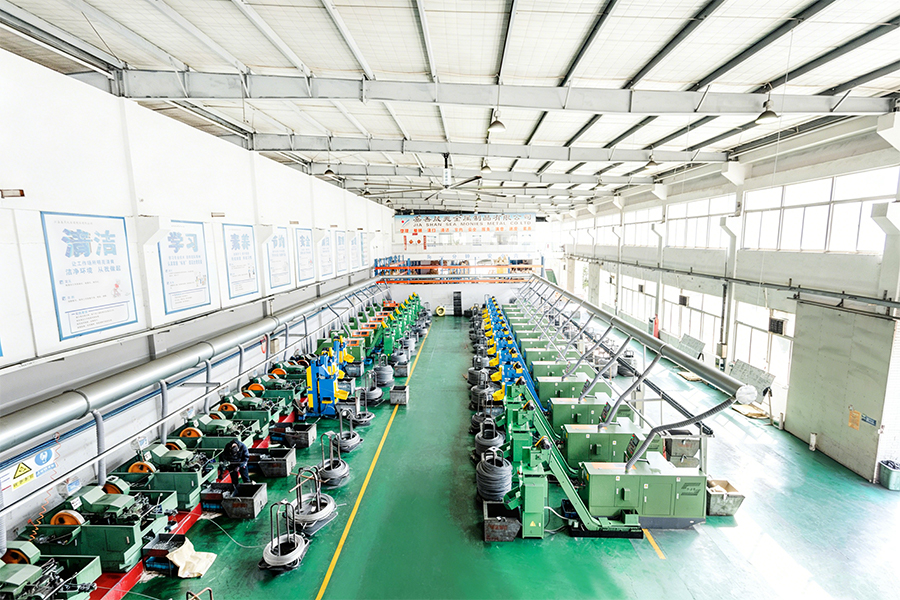
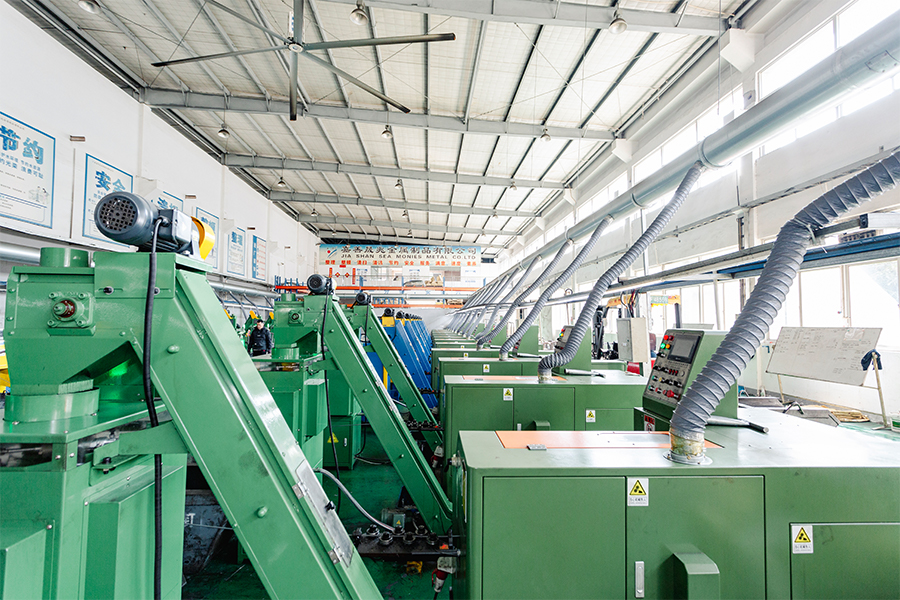
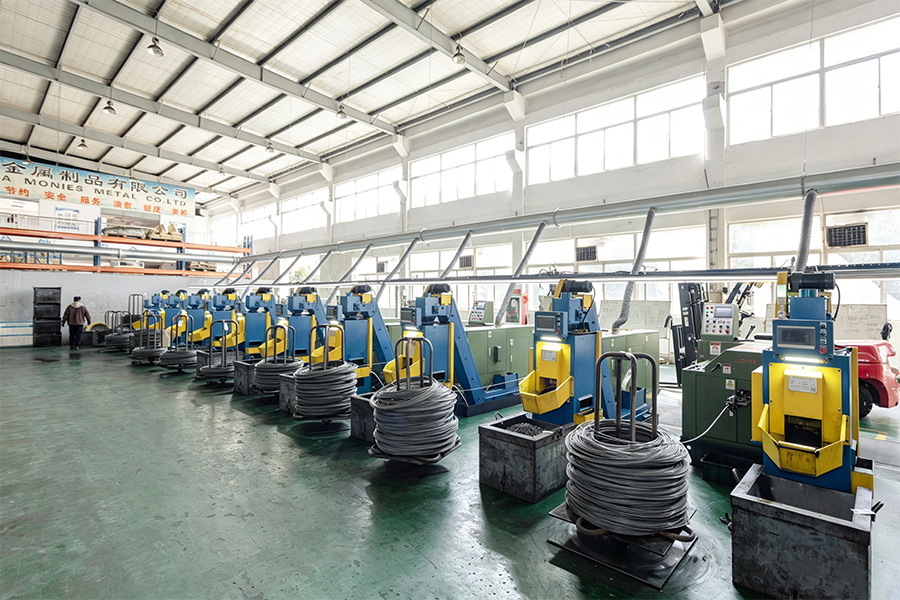
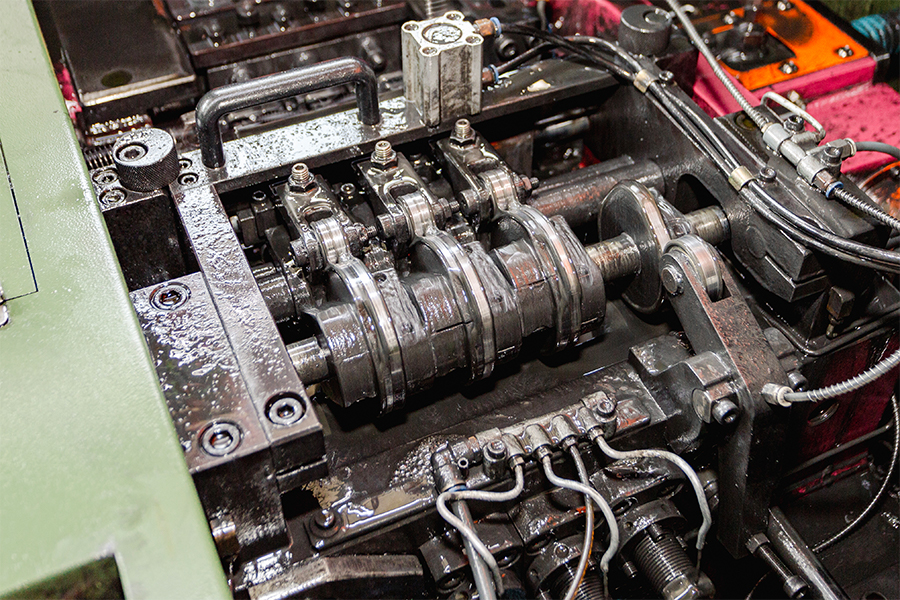
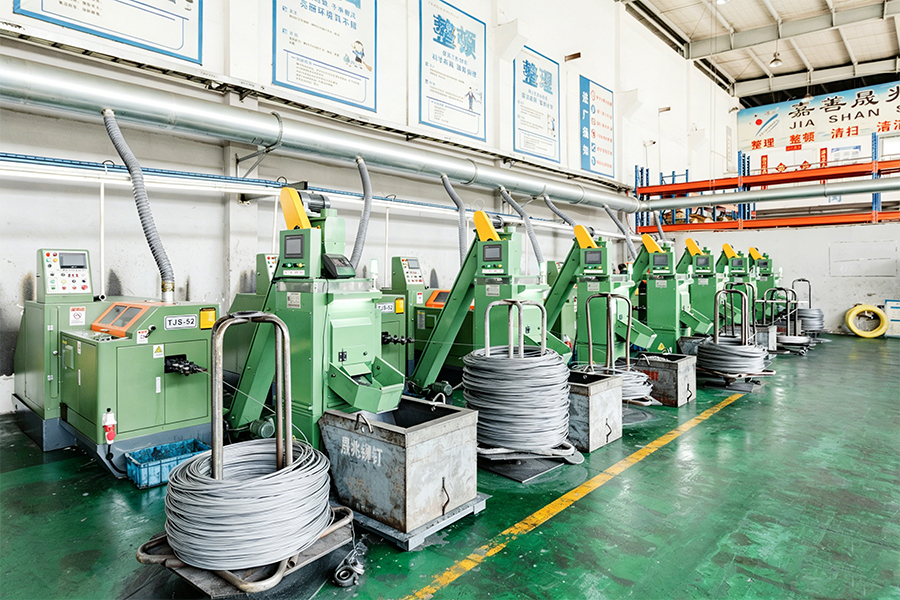
Räätälöityjen kiinnityskomponenttien suorituskyky riippuu suuresti valmistustarkkuudesta. Zhejiang Chance & Union Import and Export Co., Ltd. yhdistää tutkimus- ja kehityskapasiteetin automatisoituihin tuotantoprosesseihin varmistaakseen yhtenäisyyden suurissa tilauksissa. Yritys on erikoistunut huippuluokan ei-standardin mukaiseen räätälöintiin, mukaan lukien mukautetut muodot, erikoispäät, erityiset urat ja erittäin pitkät tai ohuet komponentit.
Tiukan laadunhallinnan ja ammattimaisen suunnittelutuen avulla Chance & Union auttaa asiakkaita vastaamaan teknisiin haasteisiin tuotesuunnittelusta tosielämän sovelluksiin. Sen valmistustapa keskittyy tarkkoihin toleransseihin, materiaalien valintaan ja luotettavaan toimitukseen varmistaen, että jokainen erä täyttää asiakkaan vaatimukset.
Usein kysytyt kysymykset
Q1: Mihin erikoispähkinöitä käytetään pääasiassa?
Erikoismutterit on suunniteltu ainutlaatuisiin kiinnitysvaatimuksiin, joissa vakiomutterit eivät pysty tarjoamaan sopivaa asennusta, säätöä tai rakenteellista suorituskykyä. Niitä käytetään yleisesti koneissa, elektroniikassa, teollisuuslaitteissa ja räätälöityissä kokoonpanoissa.
Q2: Kuinka erikoismutterit voidaan poistaa turvallisesti?
Erikoismutterien irrottaminen vaatii huolellisen tarkastuksen, korroosiopuhdistuksen, oikean työkalun valinnan ja hallitun voiman käytön. Tavoitteena on välttää ympäröivän materiaalin tai sisäkierteiden vaurioituminen.
Q3: Mikä tekee erikoispähkinöistä erilaisia tavallisista pähkinöistä?
Erikoismuttereissa on yleensä ainutlaatuiset muodot, asennustavat tai suorituskykyvaatimukset. Ne on kehitetty tiettyihin sovelluksiin, kuten säädettäviin rakenteisiin, sulautettuihin liitäntöihin tai rajoitetun tilan kokoonpanoihin.
Q4: Voiko Chance & Union valmistaa räätälöityjä erikoispähkinöitä?
Kyllä. Zhejiang Chance & Union Import and Export Co., Ltd. tarjoaa räätälöityjä kiinnitysratkaisuja piirustusten, materiaalistandardien ja toleranssivaatimusten mukaisesti ja tukee erilaisia ei-standardimutterimalleja ja tarkkuuskomponentteja.





